
How to Properly Age and Store Premium Wine


Not every bottle of wine is meant to age—and that is perfectly normal.
Many wines sold in retail are crafted for immediate enjoyment, designed to be fresh, vibrant, and consumed within a few years of release. But certain premium wines, built with structure, balance, concentration, and ageing potential, can evolve beautifully in bottle for years—or even decades.
Knowing the difference is the key to successful wine ageing.
Which Wines Are Suitable for Ageing?
A common misconception is that all wine improves with age. In reality, only a relatively small percentage of wines are made for long-term cellaring.
Wines with ageing potential typically have:
- Strong structure and balanced tannins
- Healthy natural acidity
- Concentrated fruit character
- Careful oak integration (where stylistically appropriate)
- High-quality closure and bottle integrity
Premium red wines such as Cabernet Sauvignon, Merlot-based blends, Syrah, and Bordeaux-style blends are often excellent candidates.
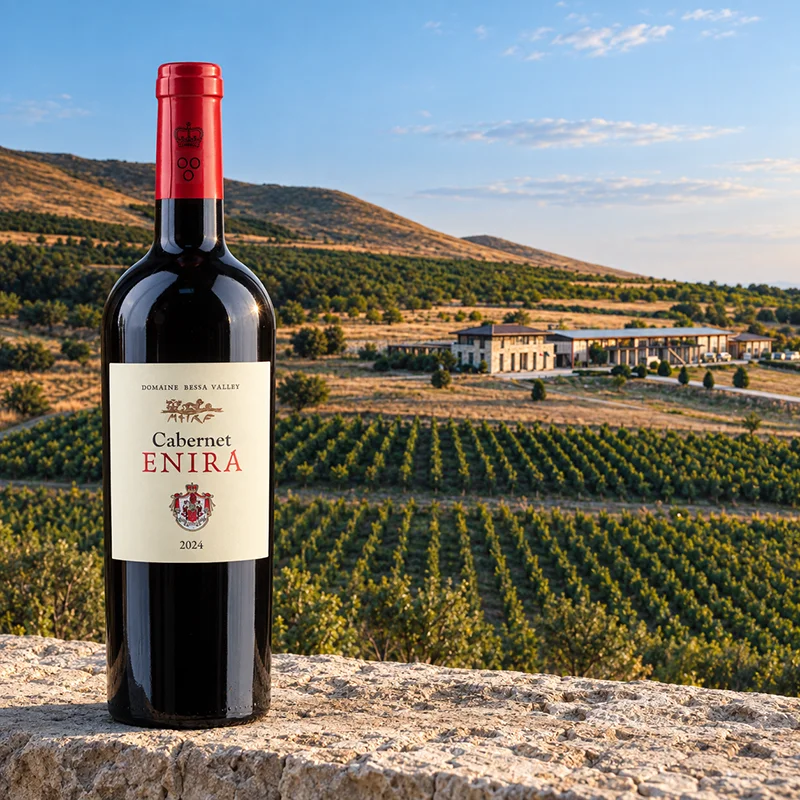
At Bessa Valley, our wines are created with structure, balance, and longevity in mind. While approachable in youth, many evolve beautifully over time—with our flagship Domaine Bessa Valley wines offering the greatest ageing potential thanks to their concentration, precision, and meticulous maturation.
The Cork Matters More Than Most People Realise
The bottle closure plays a critical role in wine ageing.
Natural cork has traditionally been the preferred closure for wines intended for long-term ageing, allowing extremely slow oxygen exchange that helps the wine evolve gracefully over time.
Lower-quality closures or compromised corks can dramatically shorten a wine’s lifespan.
This is why serious cellar-worthy wines pay close attention not only to the wine itself, but to every element of bottling quality.
If a wine is intended for ageing, closure quality is never an afterthought.
Ideal Temperature for Wine Storage
The single most important factor in preserving premium wine is stable temperature.
Recommended long-term storage temperature: 12–14°C (54–57°F)
Wine dislikes sudden changes. Repeated heating and cooling cycles can accelerate ageing unevenly, damage cork integrity, and compromise aromas.
Even an excellent bottle can deteriorate quickly if stored improperly.
Avoid storing wine in:
- Kitchens
- Warm apartments near radiators
- Garages
- Attics
- Rooms with strong seasonal temperature swings
Store Bottles Horizontally
If the wine uses natural cork, horizontal storage is essential.
Keeping the cork in contact with the wine helps prevent it from drying out. A dried cork can shrink, allowing oxygen into the bottle and causing premature oxidation.
This simple detail can make a major difference over years of storage.
Light Is the Enemy
Direct sunlight and UV exposure can irreversibly damage wine.
Light degrades delicate aromatic compounds and can prematurely age even premium bottles.
This is one reason serious wines are often bottled in darker glass and stored in protected environments.
Best practice:
- Store in darkness or very low light
- Avoid window exposure
- Use enclosed racks, cabinets, or wine fridges
Humidity and Bottle Ageing
Proper humidity helps preserve cork condition over time.
Recommended humidity: 60–75%
Low humidity may dry out corks. Excessively high humidity may damage labels and packaging, which matters especially for collectors.
Avoid Vibration
Wine matures best in stable conditions.
Constant vibration may disturb sediment and interfere with the slow natural evolution of bottle-aged wine.
Avoid storing premium wine near:
- Washing machines
- Large speakers
- Heavy appliances
- High-traffic impact zones
How Long Can Premium Wines Age?
This depends on the wine’s structure, vintage, storage conditions, and production philosophy.
Some premium wines peak after 5–8 years. Others can continue evolving for 10, 15, or much longer.
Well-structured wines from exceptional vintages often reward patience with added complexity, softer tannins, and layered tertiary aromas such as cedar, leather, spice, dried fruit, and earthy nuances.
Among our portfolio, Domaine Bessa Valley wines are particularly well suited for extended bottle ageing, while many Enira wines also develop beautifully over time under proper conditions.
Indicative Aging Potential of Prestigious Red Wine Varieties
| Grape Variety | Typical Aging Potential | How It Develops Over Time | Potential for Premium Wines |
|---|---|---|---|
| Cabernet Sauvignon | 8–20+ years | Fresh aromas of blackcurrant and dark fruit gradually give way to complex notes of cedar, tobacco, leather and graphite. | ★★★★★ Exceptional |
| Merlot | 5–15 years | The tannins soften, while the fruity character develops into deeper chocolate, earthy and spicy nuances. | ★★★★★ Excellent |
| Syrah | 7–15+ years | The youthful expressiveness of dark fruit and black pepper evolves into smoky, leathery and elegantly spicy tones. | ★★★★★ Exceptional |
| Petit Verdot | 8–18 years | Powerful and firm in its youth, it develops impressive complexity, dark fruit, violet and spice-driven nuances over time. | ★★★★★ Exceptional |
*The indicated periods are approximate and refer to premium wines produced with structure, balance and potential for bottle development. For optimal aging, wine should be stored at a constant temperature of 12–14°C, with humidity around 65–75%, away from direct light, vibrations and sudden temperature changes. Bottles sealed with natural cork should preferably be stored horizontally. Not every wine is created for long-term aging.
Should You Buy a Wine Fridge?
If you plan to age wine seriously, a wine fridge is one of the smartest investments you can make.
Advantages include:
- Stable temperature control
- Protection from heat spikes
- Humidity support
- Dark storage environment
- Reduced vibration
For valuable premium wines, this is far safer than a kitchen shelf.
Common Wine Storage Mistakes
- Assuming every wine improves with age
- Storing bottles upright for years
- Keeping wine in warm living spaces
- Exposing bottles to sunlight
- Ignoring closure quality
- Frequent movement and disturbance
Final Thoughts
Great wine ageing starts long before opening the bottle.
Not every wine is made to evolve—but wines built with structure, balance, and precision can become even more compelling over time when stored correctly.
For collectors and enthusiasts, patience is often rewarded.