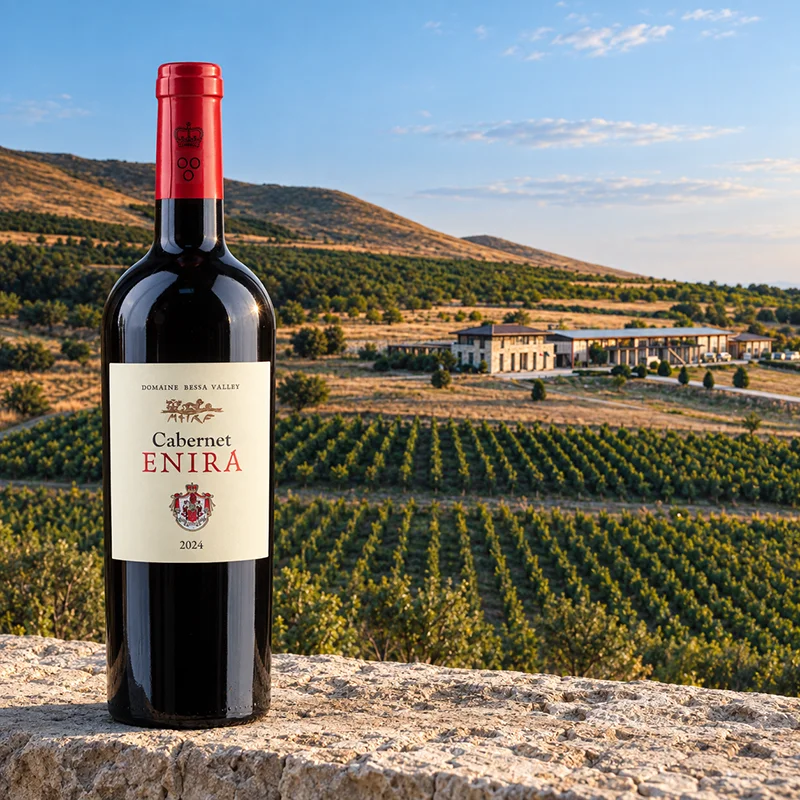

Decanter or Aerator? How to Properly Serve Aged Premium Red Wine


How to Properly Serve Your Aged Red Wine?
When opening a premium aged red wine, one simple question can dramatically influence your tasting experience: Should you use a decanter or an aerator?
The answer depends on the wine’s age, structure, and style.
For collectors and lovers of refined wines, serving wine correctly is not a minor detail—it is part of the experience itself.
At Domaine Bessa Valley, our limited-production wines are crafted for complexity, elegance, and ageing potential. Matured in 100% French oak barriques and made from estate-grown grapes from the Thracian Lowlands, these wines evolve beautifully over time—but they deserve careful handling when opened.
Let’s explore how to serve aged premium wine properly.
What Is the Difference Between a Decanter and a Wine Aerator?
Wine Decanter
A wine decanter is a glass vessel used to gently expose wine to oxygen over time while separating natural sediment that may form during bottle ageing.
Decanting is a slow, elegant process that allows complex wines to gradually open and reveal their full aromatic spectrum.
Best for:
- Aged premium red wines (8+ years)
- Structured Bordeaux-style blends
- Wines with sediment
- Elegant wines requiring gentle oxygen exposure
Wine Aerator
A wine aerator accelerates oxygen contact instantly as the wine is poured.
This can soften aggressive tannins quickly, but it is a far more forceful approach.
Best for:
- Younger red wines
- Firm, tannic wines that need rapid softening
- Casual serving situations
For Aged Premium Wines: Decanter Wins Almost Every Time
When serving mature fine wine, patience is usually rewarded.
Fast aeration may overwhelm delicate tertiary aromas that developed over years of bottle ageing.
Instead of revealing elegance, aggressive oxygen exposure can flatten nuance.
This is particularly true for premium wines such as Domaine Bessa Valley Syrah, Petit Verdot, or our iconic Grande Cuvée, where complexity comes from careful oak maturation, bottle evolution, and vineyard precision.
With these wines, decanting is not just recommended—it is often essential.
Why Aged Red Wines Need Decanting
Premium red wines evolve significantly in bottle.
Over time, tannins polymerize, aromas become more layered, and sediment may naturally form.
Proper decanting helps by:
- Separating sediment for a cleaner texture
- Allowing aromas to gradually unfold
- Softening the wine without shocking it
- Enhancing complexity and aromatic precision
- Bringing the wine to optimal drinking expression
How Long Should You Decant Premium Wine?
| Wine Style | Recommended Decanting Time |
|---|---|
| Young structured reds (2–5 years) | 45–90 minutes |
| Mature premium reds (6–12 years) | 30–60 minutes |
| Older delicate reds (12+ years) | 15–30 minutes, carefully monitored |
| Powerful wines like Petit Verdot | 60–120 minutes depending on vintage |
Important: older wines can fade if overexposed to oxygen. Taste periodically.
Serving Recommendations for Domaine Bessa Valley Wines
Domaine Bessa Valley Grande Cuvée
Our flagship Bordeaux-inspired blend benefits from gentle decanting.
Recommended: 45–90 minutes
Expect evolving notes of dark fruit, cedar, tobacco, spice, and refined oak.
Domaine Bessa Valley Petit Verdot
Structured, bold, and age-worthy.
This wine often benefits from longer decanting.
Recommended: 60–120 minutes
Domaine Bessa Valley Syrah
Elegant yet powerful, with layered spice and dark fruit character.
Recommended: 45–75 minutes
When Is an Aerator Acceptable?
A wine aerator can be useful if:
- You are serving younger wines
- You have limited time
- The wine feels overly tight on opening
However, for mature collectible wines, an aerator is rarely the preferred tool.
Think of it this way:
An aerator is a shortcut. A decanter is a ceremony.
Ideal Serving Temperature Matters Too
Even perfect decanting cannot compensate for incorrect serving temperature.
Recommended serving range for premium red wines:
- 16–18°C (61–64°F) for most aged reds
- Avoid serving too warm, which amplifies alcohol
- Avoid serving too cold, which suppresses aroma and texture
Final Verdict: Decanter vs Aerator
If you are opening a serious aged premium red wine, the answer is simple:
Choose the decanter.
Domaine Bessa Valley wines are crafted with patience—from vineyard to cellar to bottle.
They deserve the same patience in the glass.
Because premium wine is not just consumed.
It is experienced.