
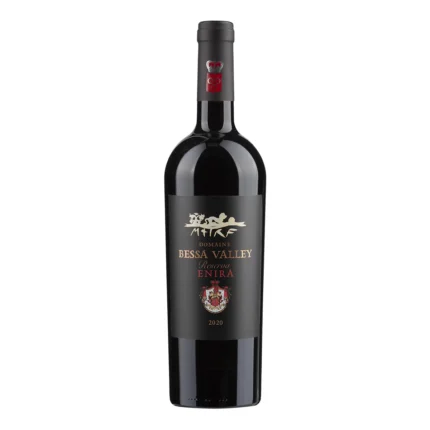
Enira Reserva 2020
Enira Reserva 2020: A Refined Expression of Bessa Valley’s Terroir
Enira Reserva 2020 is one of the defining wines of Bessa Valley. Created in partnership with Count Stephan von Neipperg, owner of distinguished estates in Bordeaux, this wine reflects a shared understanding of balance, place, and time. It brings together French experience and the distinctive character of the Thracian Lowlands in a quiet, confident expression of style.
Tasting Profile & Sensory Experience
Enira Reserva 2020 shows a deep garnet colour, clear and composed. The nose is layered and focused, offering:
- Primary aromas: Ripe plum, red cherry and dark forest berries.
- Secondary notes: Gentle hints of milk chocolate, soft vanilla and dried Mediterranean herbs.
On the palate, Enira Reserva 2020 is dense yet finely shaped. The 2019 vintage stands out for its natural silkiness, where ripe fruit and oak meet in balance. The finish is long and calm, with a sense of continuity rather than excess.
Terroir & Expert Craftsmanship
The vineyards of Bessa Valley lie on clay-limestone soils between the Rhodope Mountains and the Maritsa River. This landscape allows for natural drainage, steady ripening and a quiet mineral depth that carries through into the wine.
The 2020 Blend:
- Syrah: 36%
- Petit Verdot: 33%
- Merlot: 25%
- Cabernet Sauvignon: 6%
Winemaking & Ageing
The grapes are carefully selected twice, first in the vineyard and again at the winery. Enira Reserva 2020 is aged for 12 months in French oak barrels, combining new and once-used wood, allowing the wine to gain complexity without losing its natural voice.
Food Pairing & Serving
Enira Reserva 2020 is a natural partner at the table, especially with dishes that allow its structure and depth to unfold.
- Red meats: Roasted lamb with herbs, grilled beef fillet
- Game: Wild boar ragù, venison
- Cheeses: Aged Gouda, Manchego, and selected semi-hard local cheeses
Serving temperature: 16–18°C
Cellaring Potential
Cellaring potential: Enjoyable now, with the balance and structure to evolve gracefully over the next 5–8 years.
